
Walking Away
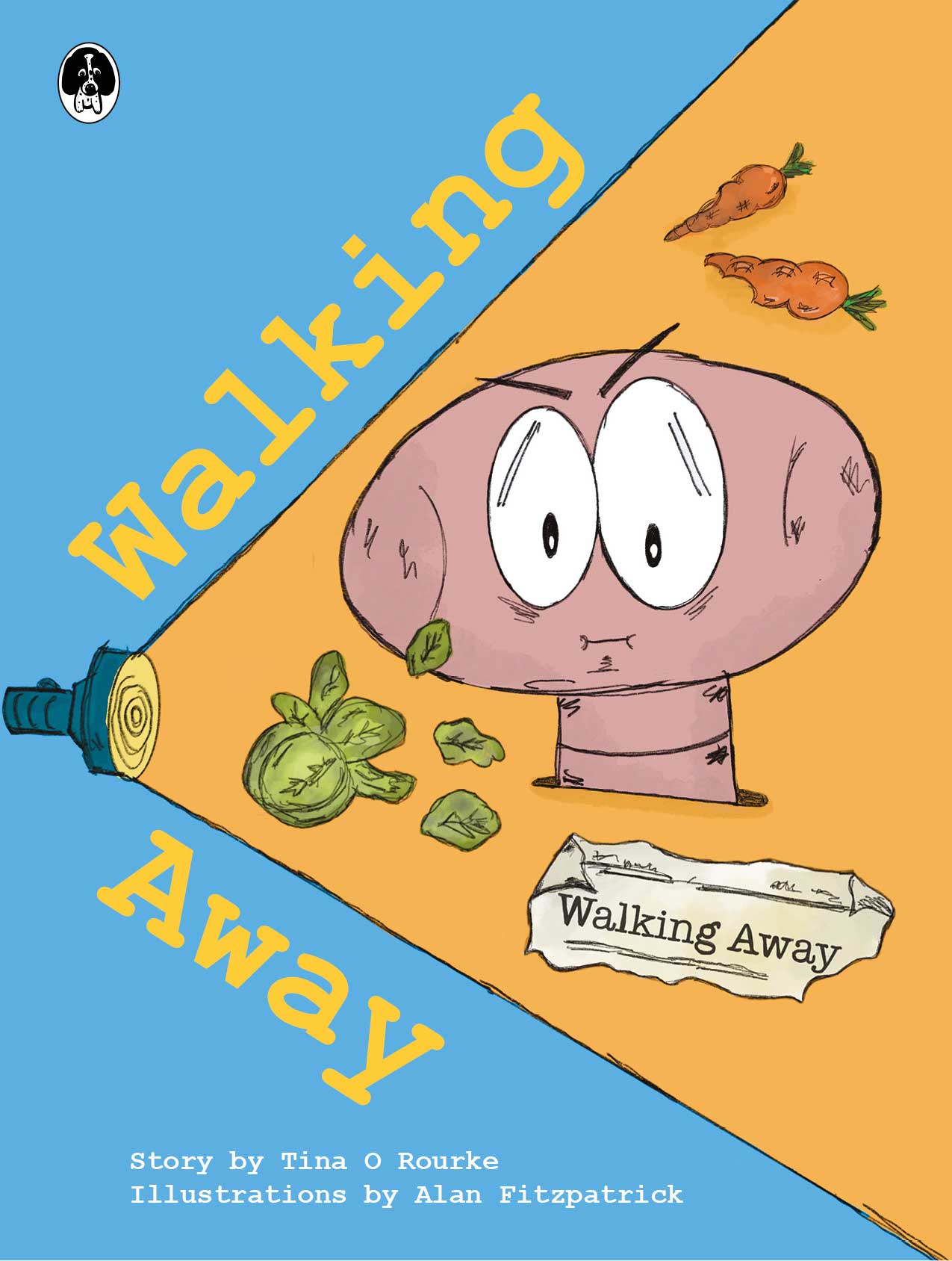
Walking Away is a delightfully silly picture book written by Tina O’Rourke and illustrated by Alan Fitzpatrick.
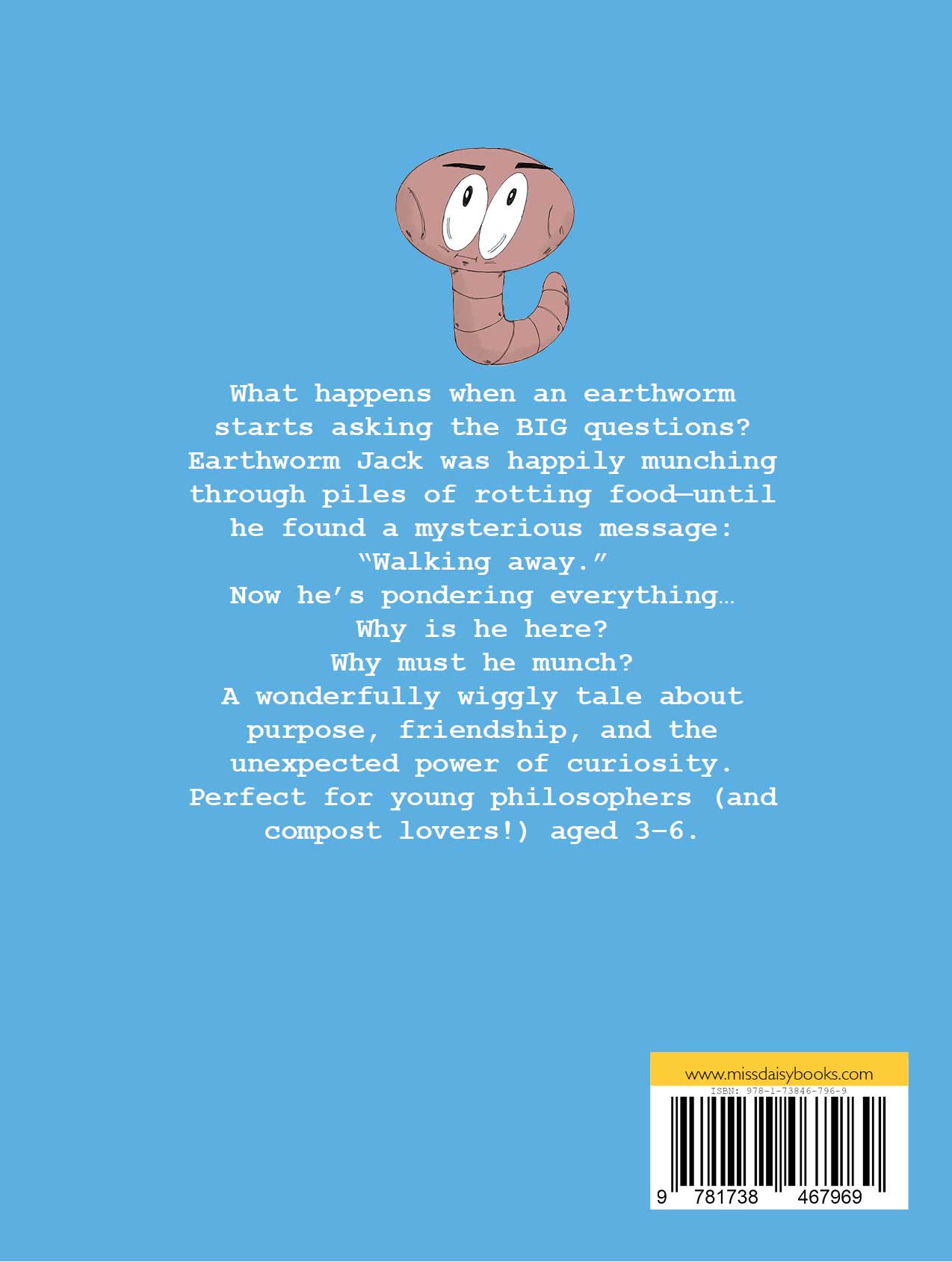
Earthworm Jack is busy munching his way through a mountain of compost when a mysterious scrap of paper appears. It simply says: “walking away.”
What does it mean? Should he stop munching?
Join Jack and Earthworm Jean as they wiggle through life’s biggest questions (and a lot of rotting vegetables) in this quirky tale of curiosity, confusion, and compost.
Perfect For
Bedtime reading
Ages 3–6
Early readers
Classroom story time
Junior & Senior Infants
Buy on Amazon.co.uk
Buy on Amazon.com
Order online – Formats available – Paperback (POD) & Kindle eBook
What is POD (Print on Demand)?
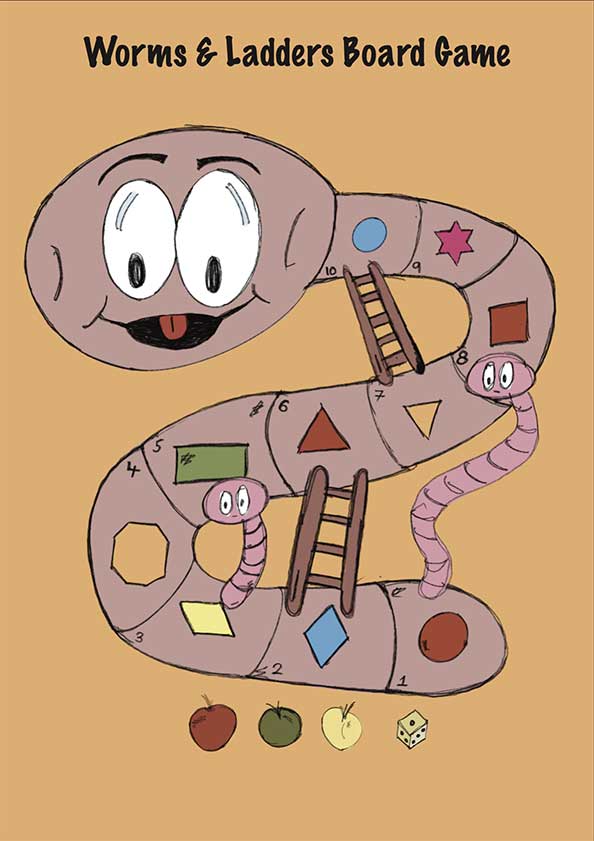
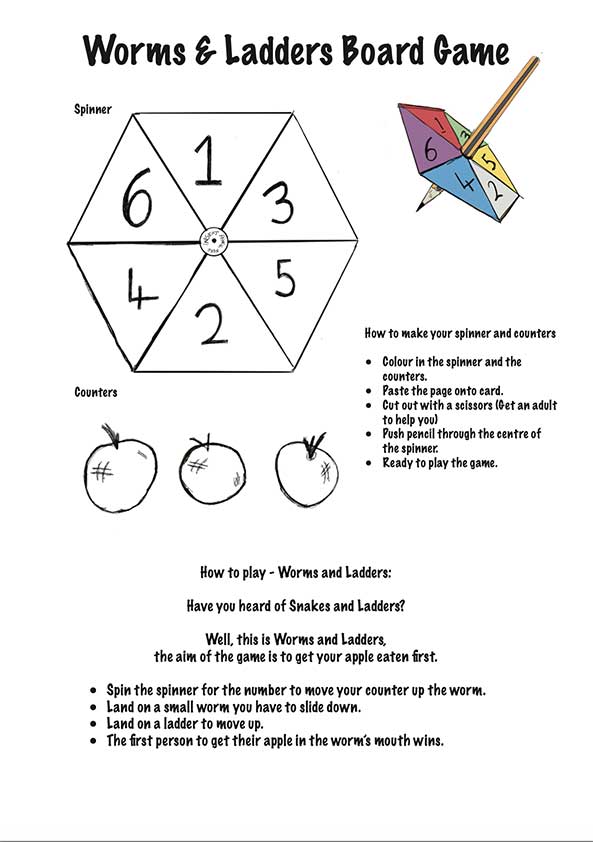
Free Activity Pack to go along with the book – Download
Reviews
I absolutely love Miss Daisy books. The illustrations and stories are magnificent, the stories messages are fascinating with wonderful characters and highly entertaining. The audio books I especially enjoy listening to as they make me connect with my inner child and I find them calming but also exciting and fun. Listening to these magnificent stories makes me feel like a child again. Extraordinarily magical!
A funny, thoughtful children’s story about a curious earthworm asking BIG questions!
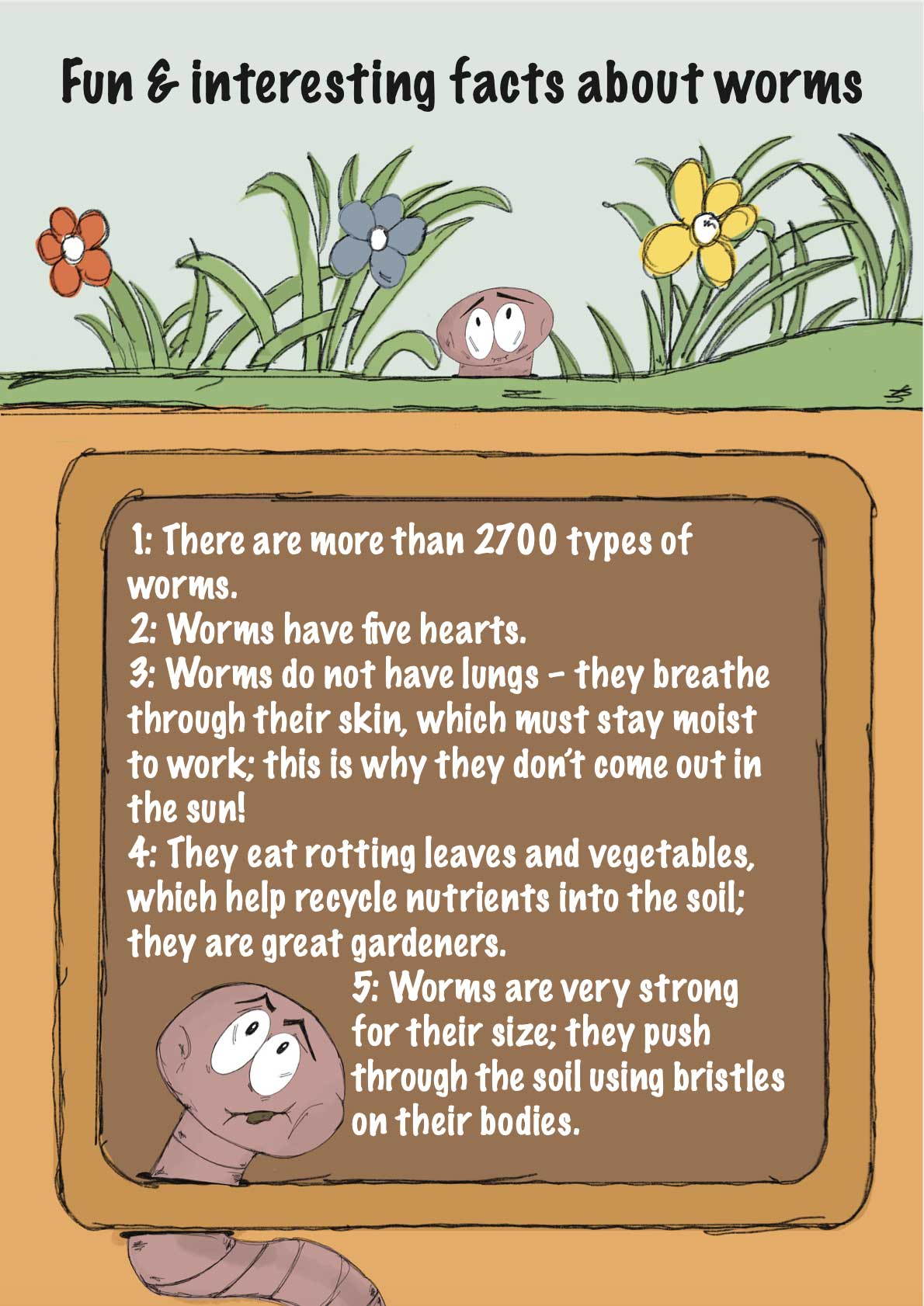
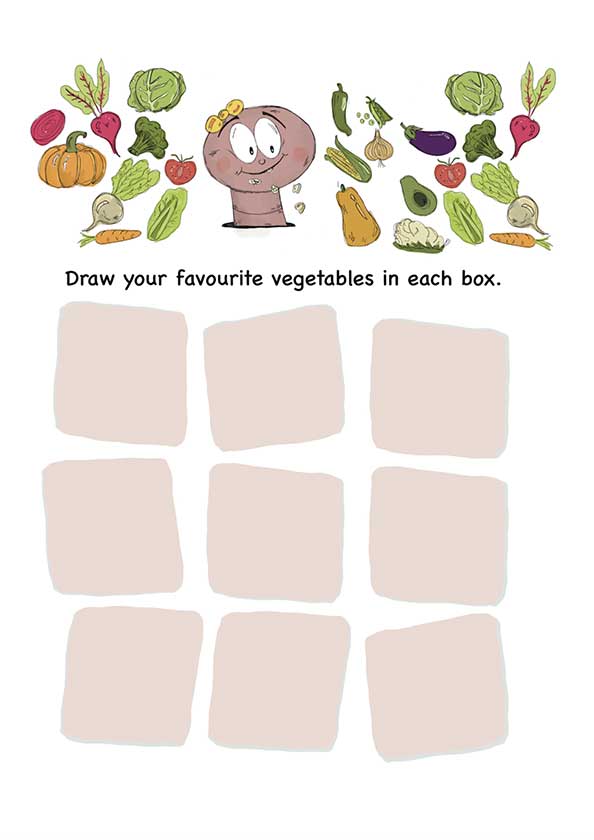
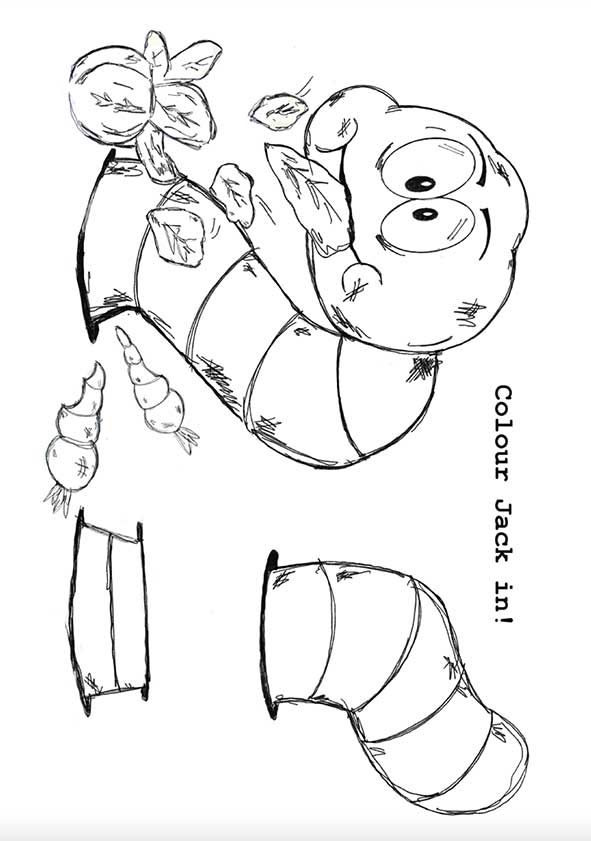
Classroom Activities for Walking Away (Ages 3–6)
Theme: Curiosity, exploration, friendship, and problem-solving. Ideal for early literacy and imaginative play.
1. Character Drawing
- Time: 15–20 minutes
- Materials: Paper, crayons, chunky markers
- Activity: Children draw their favourite character from the story or invent a new character.
- Age Range: 4–6 years (Junior & Senior Infants – 1st Class)
- Benefits: Encourages creativity, storytelling, and fine motor skills
- Safety: Non-toxic materials only
2. Mini Story Sequencing
- Time: 15–20 minutes
- Materials: Pre-printed story cards – Contact us for details on printed story cards.
- Activity: Children put the story events in order, helping them understand sequence and cause/effect.
- Age Range: 3–5 years (Junior Infants)
- Benefits: Literacy development, comprehension, memory skills
- Safety: Table/floor activity, low risk
3. Movement Game: Walk Like a Character
- Time: 10–15 minutes
- Materials: None
- Activity: Children act out the movements or behaviours of story characters — e.g., wriggle like Jack the worm or crawl through “grass.”
- Age Range: 3–6 years
- Benefits: Physical activity, engagement, story comprehension
- Safety: Clear floor space; supervised by teacher
4. Thought Bubble / Emotion Drawing
- Time: 10–15 minutes
- Materials: Paper, crayons
- Activity: Children draw or colour what a character might be thinking or feeling in a scene.
- Age Range: 4–6 years
- Benefits: Encourages empathy, early literacy, and imaginative thinking
- Safety: Non-toxic crayons; simple activity
Tips for Schools:
- Younger end (3–4 years): Stick with movement game and story sequencing — short, active, and engaging.
- Older end (5–6 years): Include drawing characters and thought bubble reflection to develop creativity and literacy.
- Timing: Each activity 10–20 minutes to match attention spans.
Supervision: Teacher or responsible adult present at all times.